
**Why Do Chefs Love Damascus Steel Knives? Unveiling the Secret Benefits**
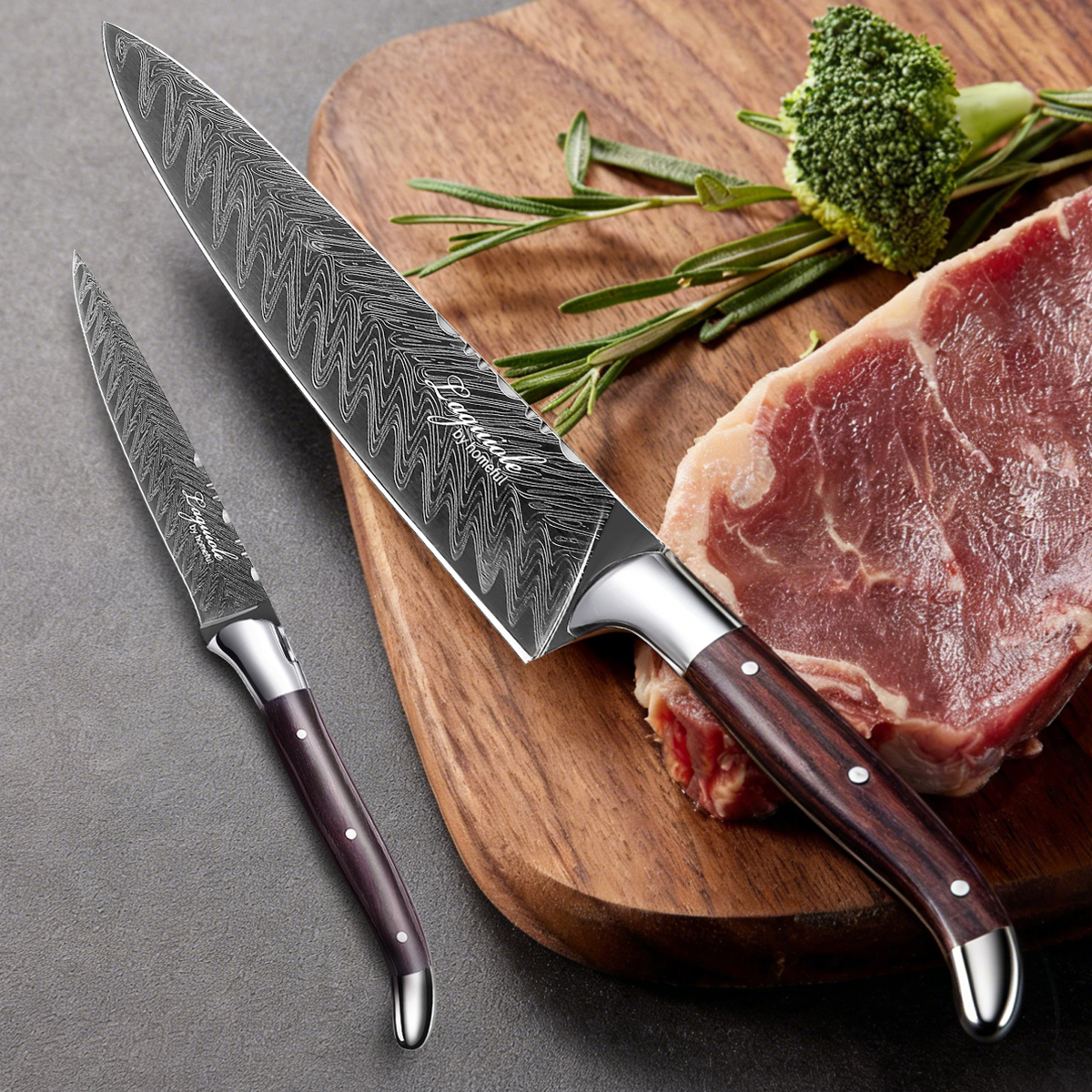
The gleaming blade, adorned with mesmerizing waves of silver and gray, has captivated chefs worldwide. Damascus steel knives have long been revered not only for their beauty but also for their exceptional performance. But what is it about these culinary masterpieces that makes them the top choice among professional chefs? In this blog, we dive deep into the history, craftsmanship, and secret benefits of Damascus steel knives that explain why chefs genuinely love using them in their kitchens.
---
The History and Legacy of Damascus Steel
Damascus steel originated centuries ago, believed to have first appeared in the Near East, specifically in regions around Syria and Persia. Renowned for its exceptional sharpness and durability, ancient warriors wielded Damascus swords in battle. The distinctive wavy patterns, often likened to flowing water or wood grain, added a mystical allure that contributed to legends and intrigue.
Stories of swords that could cut through rifle barrels or slice falling hair cemented the reputation of Damascus steel in history. As time passed, authentic manufacturing methods were lost, but the legend lived on, inspiring modern blacksmiths to revive the ancient art. Today, this resurgence has brought Damascus steel to chef’s kitchens in the form of some of the finest knives ever created.
---
The Manufacture of Damascus Steel Knives
Modern Damascus steel is not just a relic—it’s the product of advanced metallurgy and dedicated craftsmanship. The process involves repeatedly folding and forging multiple layers of steel, often combining high-carbon and stainless varieties. This folding technique creates the iconic wavy pattern known as the “Damascus effect,” which is both visually stunning and a testament to the skill of the smith.
Unlike mass-produced knives, each Damascus blade has unique grain and pattern, making it a true piece of functional art. The layering process strengthens the metal, making it more resistant to chips and breaks, while ensuring supreme sharpness and edge retention.
---
Secret Benefits of Damascus Steel Knives for Chefs
So what makes Damascus steel knives stand out in a chef’s toolkit? Here’s a look at their secret advantages:
**Exceptional Sharpness and Edge Retention:**
Damascus steel knives retain their sharpness much longer than conventional blades. The combination of soft and hard steel in the layered structure results in a keen, razor-sharp edge that withstands extensive slicing, chopping, and dicing without blunting quickly.
**Superior Strength and Durability:**
The forging process makes Damascus steel stronger and more resilient. Chefs can rely on these knives for heavy-duty tasks without fear of chips, cracks, or excessive wear—especially important in the fast-paced, demanding environment of professional kitchens.
**Balanced Flexibility and Resilience:**
While robust, Damascus steel knives are not brittle. Their unique construction offers just enough flexibility to prevent breaking but maintains the rigidity needed for precision tasks.
**Effortless Precision:**
A well-forged Damascus blade glides through ingredients with minimal resistance, allowing chefs to perform delicate and intricate cutting with ease. From sushi to fine garnishes, these knives make precision effortless.
**Aesthetic Appeal:**
The patterns create a sense of prestige and personal style. Many chefs view their Damascus knives as a badge of honor, showcasing craftsmanship and care in both tool and technique.
---
Everyday Practical Advantages in the Kitchen
Beyond beauty and bragging rights, Damascus steel knives offer real, tangible benefits in daily culinary operations:
**Reduced Fatigue:**
The ergonomic design and balanced weight distribution decrease hand and wrist fatigue, enabling chefs to work longer, faster, and better.
**Low Maintenance and Easy Sharpening:**
Thanks to the high-carbon content and layered construction, Damascus knives are easier to sharpen and less prone to rust and corrosion. Simple cleaning and occasional honing keep them in peak condition.
**Increased Safety:**
A consistently sharp blade cuts cleanly, reducing the risk of slips and accidents—a critical consideration for professionals handling hundreds of prep tasks every day.
---
Comparing Damascus Steel to Other Knife Materials
**Stainless Steel vs. Damascus Steel:**
Stainless steel knives are popular for their affordability and resistance to rust. However, they often lack the sharpness and edge retention of Damascus steel blades. Damascus knives offer cutting prowess and durability, making them preferable for chefs who value performance over price.
**High-Carbon Steel vs. Damascus Steel:**
High-carbon steel knives are sharp and strong but prone to discoloration and rust. Damascus steel combines the sharpness of high-carbon with the corrosion resistance of stainless, providing the best of both worlds.
**Why Chefs Choose Damascus:**
For professionals, the combination of aesthetics, performance, and longevity makes Damascus knives the preferred choice when compared to regular steel options.
---
What Chefs Say: Testimonials and Real-Life Experiences
Numerous chefs regard their Damascus steel knives as indispensable in their arsenal. Here’s what some have to say:
*“My Damascus chef’s knife cuts through vegetables like butter and stays sharp much longer than any blade I’ve used before.”* – Chef Laura B.
*“I love the balance in my Damascus knife; it’s comfortable and has turned chopping from a chore into a pleasure.”* – Chef Aiden L.
*“The unique patterns on my blades always impress my guests. It’s functional art.”* – Chef Jade T.
These anecdotes highlight not only performance but also pride and joy in ownership, reinforcing why Damascus steel knives have become culinary treasures.
---
Choosing the Right Damascus Steel Knife
If you’re considering adding a Damascus steel knife to your kitchen, here’s what to look for:
**Handle and Ergonomics:**
Choose a knife that fits your hand comfortably and is well-balanced for your cutting style.
**Blade Size:**
Consider the tasks you'll use the knife for—chef’s knives, utility knives, and paring knives all serve different purposes.
**Price:**
Quality Damascus knives can be an investment, but the performance and longevity often justify the cost.
**Authenticity Tips:**
Look for genuine wavy patterns, reputable brands, and forging details. Beware of cheap imitations with etched patterns instead of true forged Damascus.
**Recommended Brands:**
Some renowned brands include Shun, Miyabi, and Dalstrong. Research user reviews and chef endorsements for specific models to suit your needs.
---
Conclusion
Damascus steel knives are much more than culinary tools—they are a fusion of history, craftsmanship, and unparalleled performance. Chefs love these knives for their legendary sharpness, durability, and artistry. Whether you’re a professional chef or a passionate home cook, investing in a Damascus steel knife is a move that pays off in precision, efficiency, and pure enjoyment in the kitchen.
Unlock the secret benefits of Damascus steel and experience why chefs around the world make these knives their tool of choice—where beauty meets function in every slice.