
What Makes a Damascus Chef’s Knife Different from Other Kitchen Knives?
Damascus Chef’s Knife (Gyuto): Uses, Benefits & Buying Guide
When it comes to elevating your culinary experience, the tools you use are just as crucial as your cooking technique. Among chefs and serious home cooks, the Damascus chef’s knife—particularly the Gyuto—stands out as an icon of craftsmanship and performance. But what makes a Damascus chef’s knife truly different from other kitchen knives? In this comprehensive guide, we'll explore the rich history, unique construction, standout qualities, and practical reasons why investing in a Damascus Gyuto might be the best kitchen decision you make.
---
What is a Damascus Chef’s Knife (Gyuto)?
Before diving into the distinctions, it’s essential to understand what a Damascus chef’s knife is and why the Gyuto style is globally celebrated.
**Damascus Steel Origins and Signature Patterns**
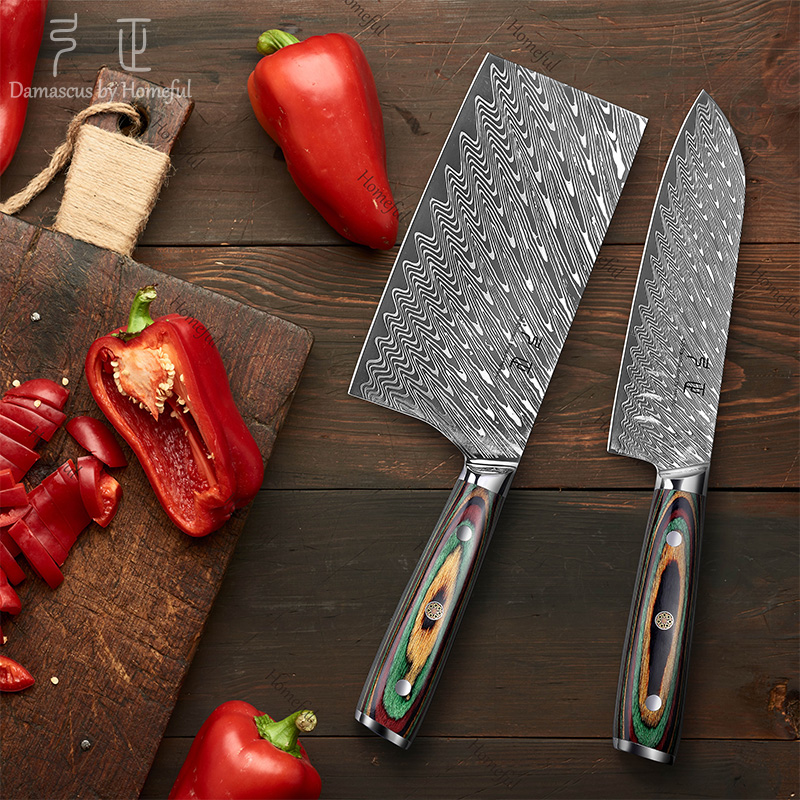
Damascus steel traces its origins to ancient civilizations, notably in the Middle East and South Asia, where blacksmiths combined layers of high-carbon and mild steel through repeated folding and forging. This unique process results in blades with mesmerizing wavy or “watered” patterns—a hallmark of the Damascus style that many modern knives emulate.
**The Gyuto: The Japanese Chef’s Knife**
The Gyuto, translating to “cow sword,” is the Japanese equivalent of the Western chef’s knife. While tailored initially for slicing beef, its all-purpose versatility quickly made it a favorite in both Japanese and global kitchens. Characterized by a slightly curved blade and a pointed tip, the Gyuto excels at a wide range of cutting techniques and ingredients.
**Modern Damascus Knives**
Today’s Damascus kitchen knives blend ancient metallurgical techniques with cutting-edge technology. Many modern Damascus Gyuto knives sandwich a hard steel core—often VG-10, AUS-10, or high-carbon steel—between multiple layers of softer steel, delivering not only a stunning visual effect but also superb functionality.
---
Key Differences: Damascus Chef’s Knife vs. Other Kitchen Knives
With so many chef’s knives on the market, what truly distinguishes a Damascus Gyuto?
**1. Steel Composition & Blade Construction**
Standard chef’s knives are typically made from single slabs of stainless steel or carbon steel. In contrast, Damascus chef’s knives boast a multi-layer (often 33, 67, or even 100+ layers) construction. This layering not only enhances the structural integrity but creates micro-serrations in the blade edge, contributing to superior sharpness and cutting efficiency.
**2. Visual Aesthetics**
The breathtaking pattern on a Damascus blade is more than just eye candy—it’s the visible result of craftsmanship. These rippling patterns are unique to each knife, offering chefs a blend of artistry and tradition. Conversely, most other kitchen knives feature a plain, utilitarian finish.
**3. Cutting Performance**
Damascus chef’s knives consistently outperform standard kitchen knives when it comes to sharpness, edge retention, and precision. The hard inner core supports an ultra-fine, razor-sharp edge, while the softer outer layers add resilience and prevent chipping.
**4. Handle Design and Comfort**
Gyuto knives often feature ergonomic handles—crafted from premium woods or composites—designed for long hours of use. The balance between blade and handle is meticulously calibrated, enabling fatigue-free maneuvering, unlike many mass-market knives that prioritize production cost over comfort.
**5. Durability and Corrosion Resistance**
Thanks to their layered construction, Damascus chef’s knives offer enhanced resistance to rust, stains, and wear. While no knife is entirely maintenance-free, quality Damascus blades, when cared for properly, can serve reliably for generations—outlasting many conventional knives.
---
Uses of a Damascus Chef’s Knife (Gyuto)
Versatility lies at the heart of the Gyuto’s appeal, and when forged in Damascus steel, the possibilities expand even further.
**All-Purpose Powerhouse**
Whether you’re an amateur experimenting at home or a seasoned pro, the Damascus Gyuto covers all the culinary bases:
- **Slicing & Dicing:** Glide effortlessly through vegetables, fruits, and boneless proteins.
- **Chopping:** The gently curved blade makes quick work of herbs, onions, and garlic.
- **Precision Tasks:** The pointed tip and sharp edge facilitate intricate garnishing and delicate tasks.
- **Protein Prep:** Suitable for portioning steaks, filleting fish, and even thinly slicing sashimi.
**Ingredient Flexibility**
From tough root vegetables to delicate tomatoes and raw meats, a Damascus Gyuto handles them all with agility. Its sharpness helps minimize cell damage—important for preserving flavor and texture.
**Why Chefs Prefer the Gyuto Style**
Many chefs gravitate toward the Gyuto not just for its all-purpose reputation, but also for its refined cutting feel and balance, which rewards skilled hands and improves efficiency in high-paced kitchen environments.
---
Benefits of Owning a Damascus Chef’s Knife
There’s a reason Damascus Gyuto knives are regarded as heirloom-quality tools. Here’s why they stand above the rest:
**1. Unmatched Sharpness and Edge Retention**
Thanks to a hardened steel core and micro-serrated edge, the cutting performance remains consistently high, allowing for wafer-thin slices and clean cuts month after month.
**2. Long-Term Durability**
The resilient layered construction means the blade resists warping, chipping, and cracking—common issues with low-quality chef’s knives. With proper maintenance, your Damascus chef’s knife can last a lifetime.
**3. Superior Control and Comfort**
The well-balanced design and precision engineering reduce wrist fatigue while enhancing control—a critical advantage for lengthy food prep.
**4. Artistic and Inspirational Value**
Cooking with a beautiful, patterned blade brings both pride and pleasure. Many owners find themselves inspired to refine their kitchen skills, motivated by the art in their hand.
**5. A True Investment**
High-quality Damascus knives can retain or even increase in value, especially those crafted by renowned bladesmiths. They also make thoughtful, lasting gifts for culinary enthusiasts.
---
Buying Guide: How to Choose the Perfect Damascus Chef’s Knife (Gyuto)
Selecting the right Damascus Gyuto involves more than aesthetic appeal. Here are key factors to consider:
**1. Blade Core Material**
Opt for recognized steel cores such as VG-10, SG2, or high-carbon steels, which combine hardness with resilience.
**2. Number of Layers**
While more layers often mean enhanced beauty and resilience, practical sharpness primarily comes from the core material. However, a higher layer count usually signals skilled craftsmanship.
**3. Blade Shape and Size**
Most Gyuto knives range from 7 to 10 inches. Consider your hand size, cooking style, and workspace to choose the best fit.
**4. Handle Design**
Seek handles made from durable materials (rosewood, micarta, pakkawood) with safe, ergonomic designs that feel comfortable during extended use.
**5. Price and Authenticity**
Beware of cheap imitations—authentic Damascus knives are investments. Look for established brands or artisan makers with positive reputations.
---
FAQs
**Are Damascus knives better than stainless steel knives?**
Damascus knives generally outperform ordinary stainless steel knives in sharpness, edge retention, and aesthetics. However, not all “Damascus” blades are created equal—focus on those with a reputable core and quality forging.
**How often should you sharpen a Damascus chef’s knife?**
With proper care, a Damascus Gyuto may only need sharpening every few months, depending on usage. Regular honing can extend the period between sharpenings.
**Can beginners use Damascus chef’s knives effectively?**
Absolutely. Beginners benefit from the knife’s sharpness and control, though it’s wise to learn safe handling and maintenance practices to maximize the knife’s lifespan.
**Is there a difference between Damascus and VG-10 steel knives?**
Yes—VG-10 refers to a specific high-quality Japanese steel often used as the core in Damascus knives. A VG-10 Damascus knife combines the benefits of both construction methods.
---
Conclusion
The Damascus chef’s knife, especially in the revered Gyuto style, represents an extraordinary fusion of functionality, durability, and timeless beauty. While any chef’s knife can get the job done, a Damascus Gyuto transforms cooking into an art form, granting unmatched precision and inspiration at every step. If you’re ready to level up your kitchen, investing in a genuine Damascus chef’s knife could be one of the best culinary choices you'll ever make.