
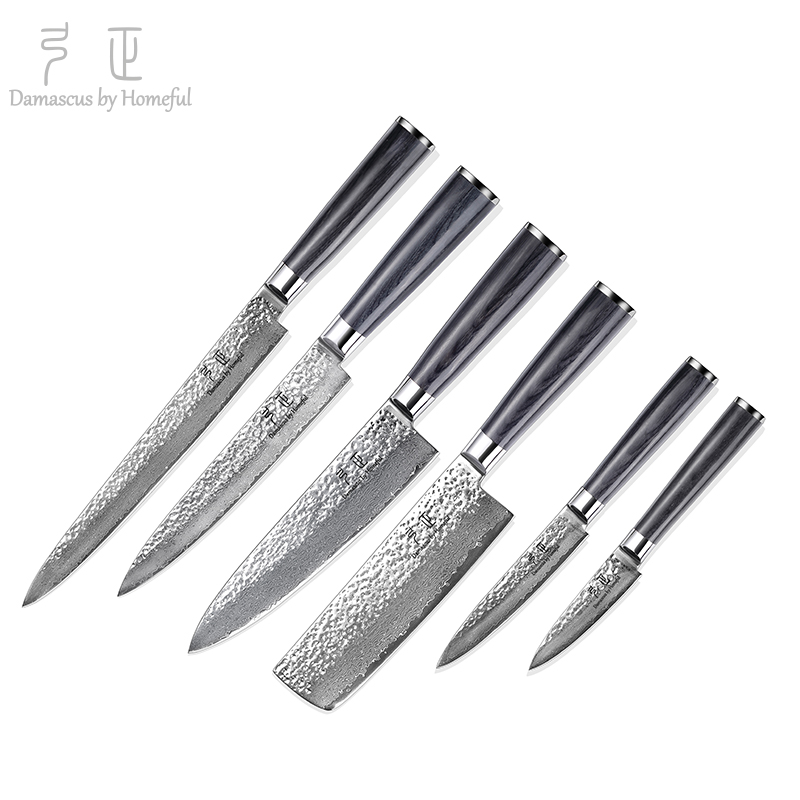
What is the Difference Between a Chef Knife and a Santoku Knife?
When it comes to essential kitchen tools, few are as indispensable as a good chef knife or a Santoku knife. Both stand out as the workhorses of any kitchen, enabling home cooks and professional chefs alike to slice, dice, and chop their way to culinary excellence. But what exactly sets these two knives apart? In this comprehensive guide, we’ll explore the origins, features, strengths, and differences between the chef knife and the Santoku knife, so you can choose the right tool for your kitchen and cooking style.
---
Introduction: Understanding Your Kitchen Essentials
A high-quality knife is the backbone of every kitchen. Among the vast array of knife types, the chef knife and the Santoku knife have earned top spots due to their versatility and performance. Whether you’re an aspiring home cook or a seasoned chef, knowing the differences between these two knives can boost your confidence and efficiency in the kitchen. Let’s sharpen our knowledge and dive into the unique characteristics of each knife.
---
What is a Chef Knife?
The chef knife, also known as a “cook’s knife,” originated in Western kitchens, particularly in France and Germany. Typically, these knives are 8 to 10 inches long, with broad, curved blades designed for a rocking chopping motion. Modern chef knives are crafted from stainless steel, carbon steel, or a combination, with ergonomic handles designed for extended use.
The chef knife is famed for its impressive versatility. Its curved blade allows for seamless rocking motions, making it perfect for chopping herbs, mincing garlic, slicing vegetables, and even breaking down proteins. It’s a true “all-rounder” that adapts to any task—from precision dicing to hearty butchering—making it a favorite among chefs and passionate home cooks.
---
What is a Santoku Knife?
The Santoku knife offers a different approach, tracing its roots to Japanese culinary tradition. “Santoku” means “three virtues” in Japanese, a reference to its ability to efficiently slice, dice, and mince. Santoku knives are generally shorter than chef knives, measuring 5 to 7 inches, and feature a straight, flat blade with a rounded tip (often called a sheepsfoot blade).
Characterized by their thinner blade and lighter weight, Santoku knives excel at creating ultra-thin slices of vegetables, fish, and meats. Many feature small indentations or “granton edges” along the blade, which help prevent food from sticking. Their straight-edge design promotes controlled, up-and-down chopping motions, making them ideal for tasks that require precision and uniformity.
---
Key Differences Between Chef Knife and Santoku Knife
Choosing between a chef knife and a Santoku knife comes down to understanding their unique design elements and intended functions. Here are the main differences:
- **Blade Design and Shape:**
- Chef knives have a pronounced curve, allowing for a rocking cutting motion.
- Santoku knives have a flatter edge, supporting an up-and-down chopping style.
- Santoku blades are usually thinner and lighter, while chef knives are more robust.
- **Size:**
- Chef knives typically range from 8 to 10 inches in length.
- Santoku knives are shorter, usually between 5 to 7 inches.
- **Weight and Balance:**
- Chef knives are weighted for tasks requiring force, such as cutting through dense vegetables or meats.
- Santoku knives are lighter and well-suited for precision work.
- **Edge Design:**
- Santoku knives often feature a granton edge, reducing food adhesion.
- Chef knives may or may not include these indentations.
- **Cutting Techniques:**
- Chef knives encourage a rocking motion; ideal for mincing or chopping herbs.
- Santoku knives favor a straightforward chop, perfect for slicing and dicing vegetables or filleting fish.
---
Advantages and Disadvantages
Every knife has its pros and cons. Here’s a close look at each:
**Chef Knife: Pros**
- Extremely versatile; can tackle nearly any kitchen task.
- Robust and durable, suitable for heavy-duty chopping and slicing.
- Blade curve allows for efficient rocking cuts.
**Chef Knife: Cons**
- Heavier and bulkier; may be less precise for delicate tasks.
- Larger size can feel unwieldy for those with smaller hands or for fine work.
**Santoku Knife: Pros**
- Lightweight and balanced for fatigue-free use.
- Excellent for precision and ultra-thin slicing.
- Granton edge resists food sticking, streamlining prep work.
**Santoku Knife: Cons**
- Limited to straight chopping; not ideal for rocking techniques.
- Shorter blade may struggle with larger produce or meats.
- Thinner edge can be more prone to chipping if misused.
---
How to Choose the Right Knife for You
Deciding between a chef knife and a Santoku knife depends on your cooking habits, hand size, and preferences. Here are key considerations:
- **Cooking Style:**
- If you often prepare varied dishes and seek versatility, a chef knife might be your best companion.
- If you prioritize precision and often slice vegetables or fish, the Santoku could be ideal.
- **Hand Size and Comfort:**
- Smaller hands may find the Santoku’s shorter, lighter design more comfortable.
- The larger chef knife may fit those who prefer a substantial grip and heft.
- **Budget:**
- High-end models of both knives are available, but quality chef knives can sometimes be pricier due to size and craftsmanship.
- Consider investing in a knife that feels best in your hand and suits your everyday needs.
Whenever possible, test knives in-store to gauge their feel, balance, and weight.
---
Frequently Asked Questions
**Can you use a Santoku knife as a chef knife?**
Yes, to a large extent. The Santoku covers most of the chef knife’s functions, especially for vegetables and boneless proteins. However, it lacks the rocking motion ideal for mincing herbs and may not be as effective for heavy-duty cutting.
**Which knife is more beginner-friendly?**
The Santoku is often considered more approachable due to its lighter build and shorter blade. Its straight edge encourages safe, straightforward cuts, making it a great choice for novice cooks.
**Do professional chefs use Santoku knives?**
Yes! Many chefs incorporate both Santoku and chef knives in their kitchens, switching between them depending on the specific task at hand.
---
Conclusion: Which Knife Should You Choose?
The chef knife and Santoku knife both deserve a spot in a well-stocked kitchen. The chef knife shines as a true all-purpose tool, perfect for a broad range of ingredients and techniques. The Santoku, with its precise, thin cuts and lightweight handling, is a game-changer for vegetable lovers and those favoring Japanese cuisine.
Ultimately, the best knife is the one that feels right in your hand, complements your cooking style, and brings joy to your meal preparation. If possible, try both knives and see which one enhances your culinary creativity. Whether you choose the versatile chef knife or the nimble Santoku (or both!), mastering your chosen kitchen companion will elevate your cooking skills and make every meal a cut above the rest.