
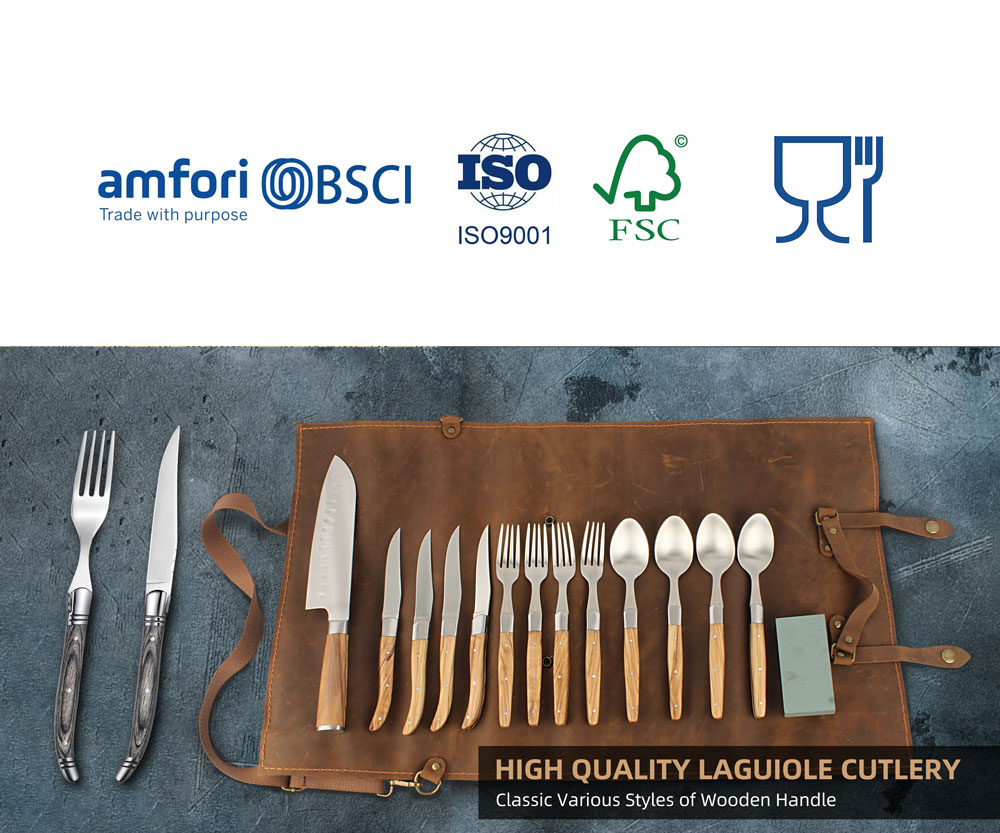
What Is a Laguiole Knife Used For? History, Design & Unique Features Unveiled
Are you curious about the famed Laguiole knife—a shining example of French craftsmanship with an iconic design? You might have seen it gracing steakhouse tables or noticed its distinctive bee emblem. But what is a Laguiole knife used for, beyond its elegant appearance? This guide reveals the history, practical uses, features, and cultural significance of the Laguiole knife, offering everything you need to know about this timeless blade.
---
The Legacy of the Laguiole Knife: Origins & Tradition
The Laguiole knife has its roots deep in the rugged countryside of southern France, particularly in the small village of Laguiole, Aveyron. The first Laguiole-style pocket knife was crafted in the early 19th century, designed as a robust and reliable companion for local shepherds, farmers, and cattlemen.
Handmade by blacksmiths and later refined by skilled cutlers, Laguiole knives became a cultural symbol synonymous with rural tradition and sophistication. The emblematic bee—now a hallmark of authenticity—has become intertwined with the knife’s identity. Legend claims Emperor Napoleon granted the bee as a symbol of excellence, echoing a centuries-old French heritage.
---
Design and Features: What Makes a Laguiole Knife Unique?
Laguiole knives stand out for their graceful aesthetic and functional engineering. Here’s what sets them apart:
- **Distinctive Shape:** Most Laguiole blades feature a slim, slightly curved profile. The handle follows an elegant arching design, perfect for comfortable gripping.
- **Iconic Bee Emblem:** The decorative bee (sometimes referred to as a fly) sits proudly on the spine, just above the spring.
- **Premium Materials:** Traditional Laguiole knives are handcrafted using high-quality stainless steel or carbon steel for the blade, and handles made from materials like olive wood, horn, bone, or exotic wood.
- **Hand-Finished Detailing:** Many models display intricate chiseling, vine engravings (“guilloché”), and hand-fitted rivets.
There are two primary types of Laguiole knives: the **folding knife** (for portability) and the **fixed-blade steak or table knife**—the latter renowned worldwide for its use in fine dining.
---
Traditional Uses of a Laguiole Knife
In its early days, the Laguiole knife was a practical tool indispensable to rural life. Here’s how locals used their knives day-to-day:
- **Outdoor Meals:** Shepherds and farmers relied on their Laguiole knives to cut bread, cheese, sausage, and fruit during picnics on the pasture.
- **Daily Tasks:** The robust blade tackled everything from whittling sticks and making repairs to opening packages and cleaning game.
- **Personal Tool:** As a folding knife, it was easily carried in a pocket or pouch, proving versatile for both outdoor adventures and household chores.
The Laguiole knife’s reputation for durability and multi-functionality solidified its place as an everyday essential among those who worked the land.
---
Laguiole Knives in the Modern Kitchen and Dining Room
Today, Laguiole knives have found a distinguished role in both home kitchens and high-end restaurants around the world. Their precision, balance, and cutting prowess make them the preferred choice for several culinary uses:
- **Steak & Table Knife:** The razor-sharp, gracefully curved blade glides through steak and grilled meats with ease, preserving the flavor and appearance of each slice. It’s the quintessential steakhouse accessory.
- **Cheese & Charcuterie:** Laguiole knives are ideal for slicing soft and hard cheeses, as well as presenting cured meats, thanks to their thin, sharp blade and comfortable handle.
- **Multi-Function Table Knife:** Whether at a bistro or family meal, Laguiole-style flatware brings a touch of rustic elegance.
- **Sommelier Knife:** Some Laguiole knives feature a built-in corkscrew, transforming into an indispensable wine lover’s tool for uncorking bottles at celebrations and gatherings.
Their aesthetic appeal combined with functional excellence has turned Laguiole knives into cherished tableware passed down through generations.
---
Cultural and Social Significance
Beyond their practical uses, Laguiole knives hold a special place in French culture and tradition:
- **Gift-Giving Heirloom:** In many regions, gifting a Laguiole knife marks significant events, such as weddings, graduations, or retirements. It’s a symbol of respect, continuity, and good fortune—often engraved with personalized messages.
- **Collectible Art Pieces:** As each knife is hand-finished and often unique, collectors seek out special editions, vintage models, and custom designs from master cutlers.
- **Rituals and Celebrations:** The Laguiole knife plays a role in rural ceremonies and local rituals, underscoring its deep connection to French identity and the art of communal dining.
Whether practical tool or artful gift, the Laguiole carries stories and traditions from one generation to the next.
---
Care and Maintenance: Preserving a Legacy
A Laguiole knife isn’t just a utensil but an investment in craftsmanship. To keep its beauty and sharpness for years to come, proper maintenance is essential:
- **Cleaning:** Hand-wash your knife with mild soap and warm water; avoid prolonged soaking and never place it in the dishwasher, as this can damage both blade and handle.
- **Drying:** Immediately and thoroughly dry after cleaning to prevent rust and handle warping, especially for models with wood or horn handles.
- **Sharpening:** Maintain a keen edge with a quality sharpening steel or stone.
- **Storage:** Store Laguiole knives in a wooden case, magnetic rack, or sheath to protect the blade and detailing from scratches and corrosion.
With proper care, many Laguiole knives become family heirlooms, handed down for generations.
---
Choosing an Authentic Laguiole Knife: What to Look For
Selecting a genuine Laguiole knife requires attention to detail. Here’s how you can ensure authenticity and suitability for your needs:
- **Intended Use:** Consider whether you need a pocket knife for everyday carry, a steak knife for special occasions, or a sommelier knife for wine service.
- **Materials:** Choose handles crafted from natural materials like olive wood, ebony, or horn for tradition and comfort.
- **Markings:** Look for the Laguiole bee emblem, and purchase from reputable sources (many authentic knives are marked “Laguiole en Aubrac” or similar). Note that “Laguiole” is not a trademarked name, so provenance matters.
- **Quality:** Inspect the fit and finish—authentic knives have smooth action, precise rivets, detailed engraving, and no rough edges.
- **Price:** Handmade Laguiole knives require significant craftsmanship. If the price seems too good to be true, it may be a mass-produced imitation.
First-time buyers are encouraged to research respected French cutlers and, when possible, to see and handle the knife before purchasing.
---
Conclusion: A Timeless Blade for the Modern Table
The Laguiole knife transcends its humble origins as a shepherd’s tool to become a worldwide symbol of quality, versatility, and French artistry. Whether slicing steak, opening a bottle of wine, or gifting an heirloom for a loved one, the Laguiole knife brings tradition and utility to every occasion.
Explore the legacy and practicality of a Laguiole knife—discover first-hand why it remains a beloved accessory for chefs, collectors, and households alike.
Ready to add this iconic piece to your culinary toolkit? Experience the enduring appeal and unique story behind every Laguiole knife.
---
*If you enjoyed learning about the uses and heritage of the Laguiole knife, share this guide or leave your thoughts below!*