
What is a Damascus Knife Used For?
Damascus knives have long held a place of prestige among chefs, collectors, and outdoor enthusiasts. Renowned for their distinctive wavy patterns and unbeatable performance, these knives blend art and science in every blade. But what exactly is a Damascus knife, and what is it used for? In this blog, we’ll uncover the core uses of Damascus knives, explore their fascinating features, and offer expert tips on choosing and caring for your own blade.
What is a Damascus Knife?
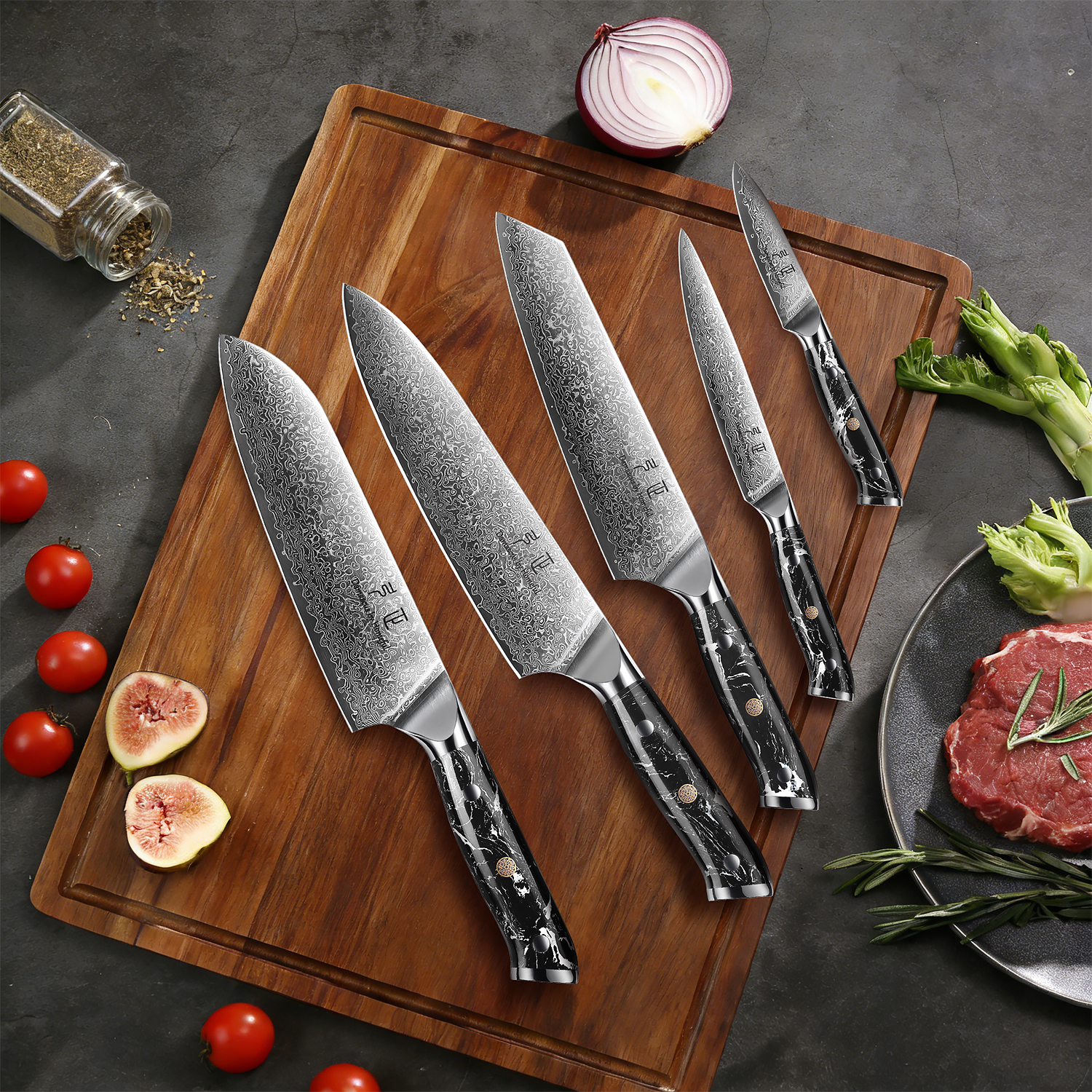
A Damascus knife is crafted from Damascus steel, celebrated for its beautiful, layered patterns resembling flowing water or swirling wood grain. The name “Damascus” comes from the ancient city in Syria, where smiths first forged this type of steel centuries ago. Today’s blades are typically made by folding and welding layers of steel to create a strong, flexible, and exceptionally sharp knife.
The allure of Damascus knives lies not only in their aesthetic; their construction gives them practical advantages as well. The unique patterns are a result of repeated folding of steel types—often high-carbon and stainless variants—which enhances toughness and edge retention, making Damascus knives both functional and stylish.
Core Features of Damascus Knives
What sets a Damascus knife apart from ordinary kitchen or outdoor knives? Here are the defining features:
**Layered Steel Construction:**
Damascus knives are made by forging and folding layers of steel, resulting in a blade that’s both hard and resilient.
**Sharpness and Edge Retention:**
Due to their high-quality materials and forging techniques, Damascus knives keep a keen edge much longer than conventional knives, requiring less frequent sharpening.
**Strength and Flexibility:**
The layered structure provides a balance of hardness (for a sharp edge) and flexibility (to avoid breaking), making these knives robust and reliable.
**Aesthetic Uniqueness:**
The mesmerizing water-like patterns aren’t just for show; they reflect the quality of the forging process and make each knife truly one-of-a-kind.
Primary Uses of a Damascus Knife
Damascus knives are celebrated for versatility. Here’s how they shine in various settings:
**Culinary Applications:**
- *Professional Chef’s Knife:* Damascus knives are favored by culinary experts for their razor-sharp edges and precision. They make slicing, dicing, and chopping effortless, allowing chefs to deliver perfect cuts every time.
- *Home Cooking & Meal Prep:* Home cooks benefit from the ease and pleasure of using a Damascus knife. Whether prepping vegetables, slicing meat, or carving roasts, these knives make kitchen tasks enjoyable and efficient.
- *Specialized Cutting:* For delicate tasks—like sushi preparation—Damascus blades excel in producing thin, even slices without damaging the food’s texture or appearance.
**Outdoor & Survival Uses:**
- *Camping & Hunting:* Damascus knives’ durability and edge retention make them ideal companions in the wild. Hunters use them for skinning and processing game, while campers rely on their strength for tasks like wood cutting and food prep.
- *Fishing & Outdoor Cooking:* Their corrosion resistance and sharpness mean anglers can fillet fish with ease, and outdoor cooks can tackle everything from slicing fruit to carving cooked meats.
**Collecting & Display:**
- *Collector’s Item:* Due to their craftsmanship and unique patterns, Damascus knives are prized by collectors around the world. Some blades feature rare steel combinations or artistically designed handles, making them valuable and sought-after.
- *Gifting & Memorabilia:* A Damascus knife is an impressive gift—whether for a chef, hunter, or knife enthusiast. Their blend of function and beauty makes them a memorable and meaningful present.
Damascus Knives vs. Other Knives
Why choose a Damascus knife over other types?
**Performance:**
Damascus knives offer superior sharpness and precision cutting. Their layered construction gives them an edge in both durability and flexibility, making them the tool of choice for demanding users.
**Durability & Maintenance:**
While all knives require care, Damascus knives’ resistance to corrosion and their extended edge retention mean less maintenance over time.
**Price & Accessibility:**
Authentic Damascus knives are often more expensive than mass-produced alternatives, due to the time-intensive forging process and quality materials. However, the investment is rewarded with unmatched performance and longevity.
How to Choose the Right Damascus Knife for Your Needs
Selecting the perfect Damascus knife starts with identifying your main purpose:
**For Culinary Use:**
Look for classic chef’s knife shapes, with a comfortable handle and balanced weight. A full-tang blade (where steel runs through the handle) offers maximum durability.
**For Outdoor & Survival:**
Choose a blade with a robust shape—such as a drop point or clip point—for versatility in camp or hunting tasks. A sheath is essential for safety and portability.
**For Collecting or Display:**
Seek unique patterns, rare steel combinations, and artisan-crafted handles. Authenticity is key; always verify the maker and materials.
**Blade Size & Design:**
Smaller blades are ideal for precision tasks, while larger ones suit heavy-duty work. Consider your grip preference, blade curvature, and handle material for optimal comfort and control.
**Authenticity & Sourcing:**
Be wary of imitation knives. Authentic Damascus blades are made from properly layered steel, not just patterned on the surface. Buy from reputable smiths or brands to ensure quality.
Tips for Caring for a Damascus Knife
Proper care preserves both the appearance and performance of a Damascus knife. Here’s how:
**Cleaning & Storage:**
- After each use, hand wash with mild soap and water; avoid dishwashers, which can damage the blade.
- Dry thoroughly to prevent rust, and store in a dry, safe place—preferably in a sheath or protective sleeve.
**Sharpening Techniques:**
- Use a high-quality whetstone or sharpening system. Maintain the original angle for best results.
- Regular honing with a steel rod keeps the edge aligned, extending time between sharpenings.
**Protecting the Blade’s Appearance:**
- Occasionally apply food-safe mineral oil to prevent staining and corrosion.
- Avoid abrasive cleaners or rough surfaces that can scratch the blade and mar the patterns.
Conclusion
Damascus knives are more than just tools—they are a fusion of history, craftsmanship, and cutting-edge performance. With their unique patterns, superior sharpness, and impressive durability, Damascus knives are valued by chefs, collectors, and outdoor adventurers alike. Whether you’re seeking a reliable kitchen companion, a robust hunting blade, or a stunning display piece, a Damascus knife delivers unmatched quality and beauty.
Ready to experience the art and science of Damascus steel? Choosing the right knife and maintaining it properly ensures you enjoy the elegance and performance of this remarkable tool for years to come.
**Explore your options, choose wisely, and discover why a Damascus knife deserves a place in your collection or kitchen.**