
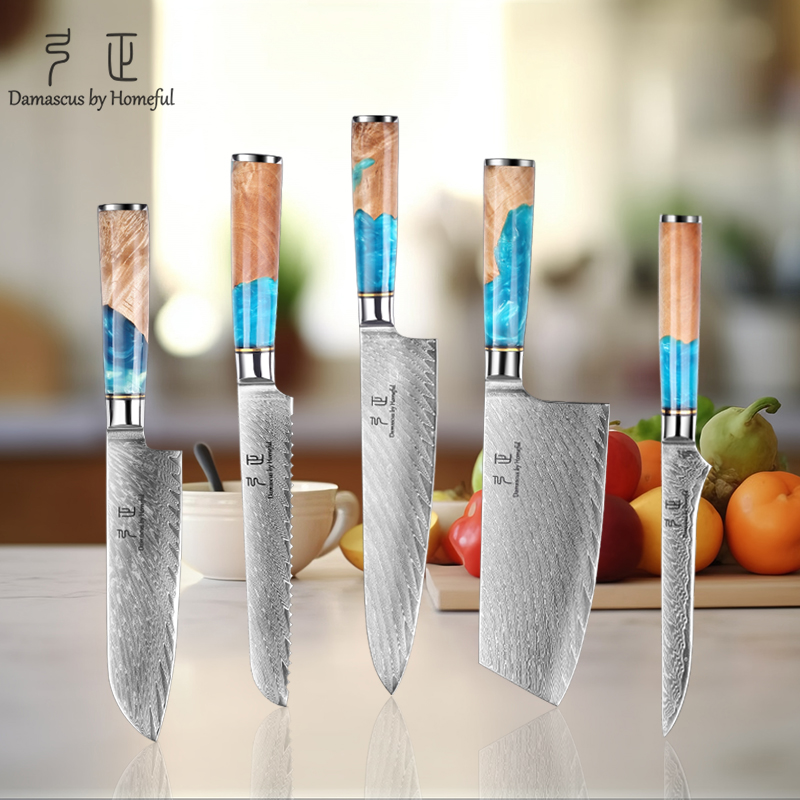
**Real vs Fake Damascus Kitchen Knives: How to Spot the Difference and Clever Tips**
Damascus kitchen knives have developed an almost legendary status among chefs and home cooks alike. Known for their exquisite wavy patterns, remarkable strength, and razor-sharp edges, genuine Damascus blades are both beautiful and functional. However, with their growing popularity, the market has also seen an influx of fake Damascus knives, which often mislead buyers with flashy appearances at enticing prices. If you are considering adding a Damascus knife to your arsenal or are already a culinary enthusiast, understanding how to spot the difference is essential. In this comprehensive guide, we’ll explore the fascinating world of Damascus steel, how to distinguish genuine blades from imitations, and expert tips for choosing and caring for your knife.
---
What is Damascus Steel?
The mystique of Damascus steel originates centuries ago, captivating markets from the Middle East to Europe and Asia. Genuine Damascus steel was originally made from wootz steel, imported from India, then skillfully forged and folded in Damascus, Syria. These age-old methods produced blades renowned for their durability, flexibility, and distinct, watery patterns.
Modern Damascus knives may not always use the original ingredients and techniques, but the best still honor the tradition of layering multiple steels, forging, folding, and acid-etching to reveal mesmerizing organic patterns. Today’s top knife makers employ high-carbon or stainless steels, using lamination and pattern-welding to create knives that echo the legendary strength and sharpness of their ancestors.
---
Real vs. Fake Damascus: Key Differences
As demand for Damascus knives has grown, so have the ways that unscrupulous manufacturers try to mimic the look of genuine steel—often sacrificing performance, longevity, and safety. Here’s how to separate the real from the imitation:
**1. Material Composition and Construction**
*Real Damascus:* Crafted from layers of two or more types of steel. These layers are folded, hammered, and welded repeatedly, resulting in a strong, flexible blade with the signature flowing grain.
*Fake Damascus:* Often uses a single type of steel stamped or laser-etched with a wavy pattern—or simply acid-etched onto a flat surface. These “blades” lack the same structural strength and cutting prowess.
**2. Pattern Authenticity**
*Real Damascus:* Patterns are a natural result of the forging process. Look for variations, subtle changes, and depth as the design wraps seamlessly over the entire knife, including the spine and tang.
*Fake Damascus:* Patterns may appear unusually uniform, repeating, or only present on the blade’s surface. Some patterns easily scratch off or fade over time.
**3. Price Indicators**
Authentic Damascus craftsmanship demands time and skill, which comes at a cost. If you find a “Damascus” knife with a suspiciously low price tag, it’s likely a fake. While you can find affordable genuine knives, especially from up-and-coming artisans, buyers should be wary of too-good-to-be-true deals from mass-market sellers.
**4. Brand Reputation and Certifications**
Reusable knife makers proudly display their forging process, material sources, and certifications. Reputable brands often provide documentation or share insights about their production methods. When in doubt, user reviews and professional recommendations can reveal much about a knife’s authenticity.
---
How to Spot a Fake Damascus Knife
Knowing the differences isn’t enough—let’s get practical. Here are actionable steps to help you confidently spot a fake Damascus kitchen knife:
**A. Examine Blade Patterns Closely**
Genuine Damascus knives showcase complex, dynamic patterns. Hold the knife up to the light, and look for organic, slightly irregular waves. A uniform, shallow, or perfectly repeating design may indicate a surface-etched fake.
**B. Look for Visible Layering at the Edge**
Authentic blades often reveal signs of multilayer construction at the knife’s edge or along the spine. These layers may look like stacked sheets when viewed in cross-section. Fake versions usually lack these details.
**C. Scrutinize Product Descriptions and Specifications**
Read the fine print: Genuine Damascus should list multiple steel types, pattern-welding or forging methods, and blade hardness ratings (typically 58+ HRC for high-quality knives). Beware vague descriptions boasting only “Damascus look” or “etched pattern.”
**D. Test for Magnetic Properties and Weight**
High-quality Damascus knives combine different steels for performance and balance. Check if the knife’s weight aligns with its description—genuine Damascus feels solid yet agile. Most real Damascus is also magnetic due to its high iron content.
**E. Investigate Seller Credentials and Customer Reviews**
Buy from established retailers and review both professional assessments and user feedback. Authentic sellers provide guarantees and share real-world images. Be cautious with new or anonymous brands offering “handmade Damascus” at rock-bottom prices.
---
Choosing the Right Damascus Kitchen Knife
If you’re ready to invest in a Damascus kitchen knife, keep these tips in mind:
- **Define Your Needs:** Choose the knife shape that suits your kitchen habits—chef’s knife, santoku, utility, or specialty cleaver.
- **Set a Realistic Budget:** Genuine Damascus varies in cost but expect to pay for true craftsmanship.
- **Research the Maker:** Trusted brands and renowned artisans offer transparency about their process and materials.
- **Test Drive When Possible:** If buying in-store, ask to handle the knife and examine its balance, comfort, and finish.
- **Request Authenticity Proof:** Certificates, forging videos, or references add credibility to your purchase.
---
Expert Care Tips for Damascus Kitchen Knives
A Damascus knife is an investment—caring for it ensures years of remarkable performance:
**1. Clean Promptly by Hand**
Never put your Damascus blade in a dishwasher! Instead, hand wash with mild soap and a non-abrasive cloth immediately after use. Wipe dry thoroughly to prevent corrosion.
**2. Avoid Harsh Cleaners and Surfaces**
Steer clear of abrasive pads or cleansers that can damage the intricate patterns and weaken the blade.
**3. Store Properly**
Keep your knife in a knife block, magnetic strip, or blade guard to protect the edge from chips and scratches.
**4. Hone and Sharpen Regularly**
Use a honing rod to maintain the edge between uses. When it’s time for sharpening, rely on whetstones or professional sharpening services for the best results—preserving both performance and pattern.
**5. Oil the Blade Occasionally**
Apply a light coat of food-safe mineral oil to the blade, especially if it’s made from high-carbon steel, to prevent rust and enhance the layered design.
---
Conclusion: Cutting Through the Hype
Damascus kitchen knives offer unmatched beauty, performance, and bragging rights in any kitchen, but only when you invest in the real thing. Understanding what sets genuine Damascus apart from its fakes empowers you to make informed choices, avoid costly mistakes, and experience the joy of cooking with a true work of art. With the right knowledge—and a few clever tips for selecting, spotting, and caring for your blade—your culinary adventures will be sharper and far more satisfying.
**Ready to experience the magic of a real Damascus kitchen knife? Research, choose wisely, and enjoy a lifetime of precision performance!**