
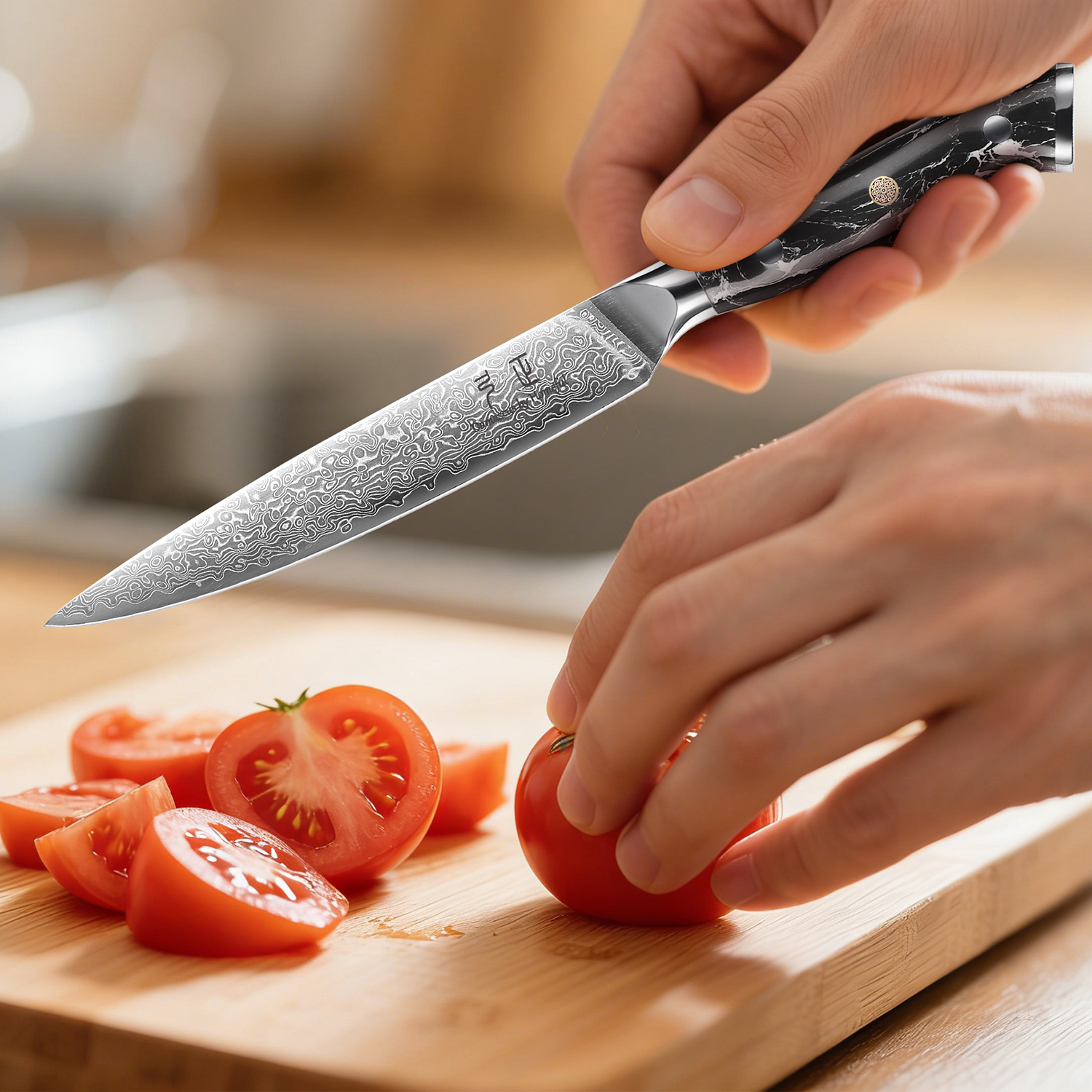
Are Damascus Steel Knives Better than Regular Stainless Steel Knives?
If you’re passionate about cooking or a kitchen enthusiast, chances are you’ve stumbled across the debate between Damascus steel knives and regular stainless steel knives. Both options are staples in the culinary world, but which one truly reigns supreme on the chopping board? In this comprehensive guide, we examine the differences, advantages, and drawbacks of both knife styles to help you choose the right blade for your kitchen needs.
---
Introduction
The kitchen knife market is saturated with choices that can easily overwhelm even the most seasoned cook. Among the most revered and debated options are Damascus steel knives, beloved for their beauty and legendary reputation, and regular stainless steel knives, praised for their reliability and ease of maintenance. This blog unpacks the essential differences to help shed light on which type of knife is better suited for you.
---
What Are Damascus Steel Knives?
Damascus steel has captivated craftsmen and chefs for centuries. Originating from the Middle East around 300 BC, the term “Damascus” refers to a unique forging technique that increased the strength, flexibility, and cutting ability of swords and knives.
Today, modern Damascus steel is produced by layering different types of steel and forging them together at high temperatures. This process creates the signature wavy or watery patterns seen along the blade—an aesthetic many chefs and knife collectors adore.
**Key Characteristics:**
- Visually striking patterns on the blade
- Excellent edge retention
- Balance of hardness and toughness
- Unique craftsmanship and often limited edition
---
Understanding Regular Stainless Steel Knives
Stainless steel knives, on the other hand, have become kitchen essentials thanks to their remarkable corrosion resistance and versatility. Stainless steel is an alloy containing iron, carbon, and at least 10.5% chromium, which prevents rusting and staining—making these knives ideal for everyday use.
Common stainless steels in knives include 420, 440, VG-10, and AUS-8, each with varying qualities. Stainless steel blades are usually stamped or forged and are widely available at all price points.
**Primary Attributes:**
- High resistance to corrosion and staining
- Generally easy to care for and clean
- Available in a wide range of prices and qualities
- Often lighter and less expensive than Damascus counterparts
---
Key Comparison Factors
To truly determine which knife prevails, let’s break down the essential comparison points:
**Sharpness and Edge Retention**
Damascus steel knives are often praised for their razor-sharp edges and ability to maintain sharpness over longer periods, largely due to layered forging. However, top-quality stainless steel (like VG-10 or S30V) can perform just as well, holding a fine edge with less maintenance.
**Durability and Toughness**
Because of their unique construction, Damascus blades can be tougher and more resilient to chipping compared to many basic stainless knives. However, advanced stainless steels with proper heat treatments provide excellent durability and sometimes outperform in terms of everyday ruggedness.
**Corrosion and Rust Resistance**
Stainless steel is named for its ability to resist moisture, reducing the risk of rust and pitting. Some modern Damascus knives use stainless steels for their layers, but traditional Damascus with high-carbon content requires vigilant care to prevent rust.
**Aesthetics and Design**
If beauty is a top priority, nothing rivals the mesmerising patterns of Damascus steel. Stainless knives are typically simpler in appearance, though some brands offer premium finishes.
**Maintenance Requirements**
Damascus knives, especially carbon-based, require handwashing, thorough drying, and occasional oiling to keep rust at bay. Stainless steel knives are low-fuss, allowing machine washing and less frequent sharpening.
**Price and Value**
Damascus knives are artisan items, typically commanding higher price tags. Stainless steel knives range from budget to high-end luxury, making them accessible for every shopper.
---
Pros and Cons of Damascus Steel Knives
**Advantages of Damascus Steel Knives:**
- Striking, one-of-a-kind patterns for collectors and gifting
- Potential for superior edge retention
- Status symbol in both home and professional kitchens
**Drawbacks of Damascus Steel Knives:**
- Expensive compared to most stainless options
- Authentic Damascus can be difficult to find—beware of counterfeits
- Extra maintenance to prevent corrosion (especially with high-carbon Damascus)
---
Pros and Cons of Regular Stainless Steel Knives
**Advantages of Stainless Steel Knives:**
- Outstanding corrosion resistance—no need to worry about rust
- Wide affordability; even premium options are more accessible
- Easy to maintain, clean, and sharpen
**Drawbacks of Stainless Steel Knives:**
- May require more frequent sharpening
- Usually lack the artistic appeal of Damascus patterns
- Lower-end stainless blades can be soft or dull quickly
---
Which Knife Is Right for You?
Choosing between a Damascus and a stainless steel knife comes down to your personal priorities:
- **Home Cooks:** If you cook casually and want knives that are fuss-free, stainless steel knives offer convenience and reliability at a great price.
- **Professional Chefs:** For chefs who want both performance and aesthetics, investing in a high-quality Damascus blade can elevate kitchen experiences and impress colleagues and guests.
- **Collectors and Enthusiasts:** Damascus blades are a must for knife aficionados, owing to their artistry and unique craftsmanship.
- **Outdoor Enthusiasts:** For those using knives outdoors or in challenging environments, rust-resistant stainless steel is the practical choice.
Consider your budget, how much effort you’re willing to invest in maintenance, and what matters more: performance, beauty, or affordability.
---
Common Misconceptions about Damascus and Stainless Steel
- **“Damascus is always superior.”** Not all Damascus knives are made equal. Some are mass-produced and use low-quality materials, meaning their performance won’t outshine a good stainless steel blade.
- **“Stainless steel knives are inferior.”** Modern metallurgical advances have produced stainless steels that can hold a razor edge and excel in kitchens worldwide.
- **Craftsmanship matters.** A well-made stainless steel knife can outlast and outperform a poorly made Damascus knife, regardless of the materials.
Buy from reputable manufacturers, research the steel used, and, if possible, try the knife in hand before purchase.
---
Conclusion
The debate between Damascus steel knives and stainless steel knives doesn’t have a one-size-fits-all answer. Damascus knives charm with their beauty, edge retention, and craftsmanship, but require more care and investment. Stainless steel knives win points for practicality, rust resistance, accessibility, and affordability. Ultimately, the best knife for you aligns with your needs, lifestyle, and the value you place on performance versus aesthetics.
**Tip:** Always choose knives from trusted brands and handle them according to manufacturer guidance—your kitchen tools will thank you with years of stellar service.
Ready to make your pick? Whether it’s the shimmering patterns of Damascus steel or the dependable shine of stainless, a quality kitchen knife is a step closer to culinary perfection.