
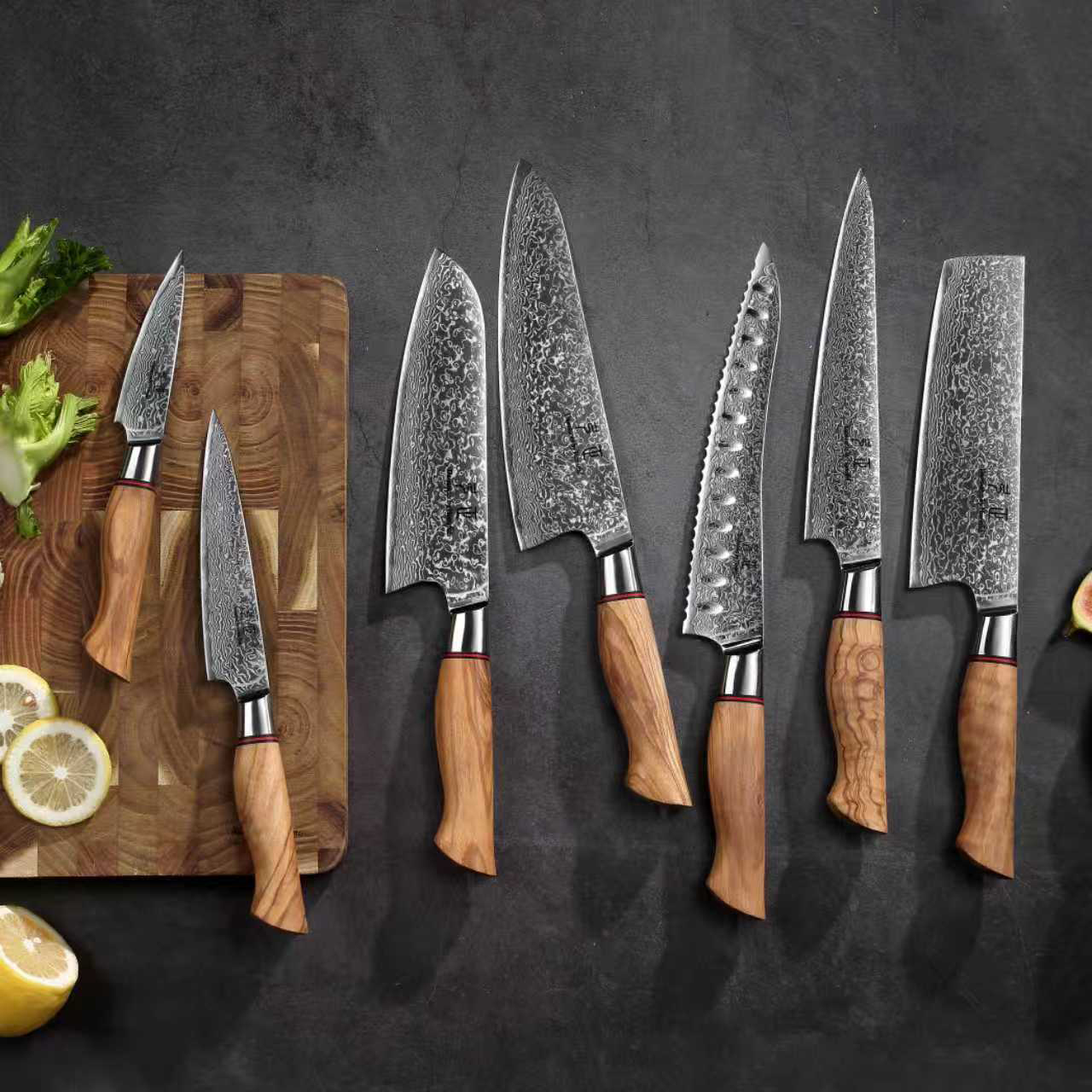
**Damascus Steel vs. Stainless Steel Kitchen Knives: Which Is Best for Your Cooking Needs?**
*Abstract: Discover the differences between Damascus steel and stainless steel kitchen knives. Learn which is best for your cooking style and kitchen needs!*
---
### I. Introduction
The kitchen knife is the cornerstone of culinary creation. Whether you’re chopping, slicing, or dicing, a good knife makes all the difference. In recent years, Damascus steel knives have surged in popularity, charming home cooks and professional chefs alike with their distinctive patterns and legendary performance. But how does Damascus steel stack up against traditional stainless steel knives? This post will guide you through the differences, exploring how Damascus steel kitchen knives are made and helping you choose the perfect blade for your cooking style.
---
### II. Understanding the Materials
#### A. What is Damascus Steel?
##### 1. Historical Background
Damascus steel traces its origins back to ancient Persia and India. The legendary blades were renowned for their remarkable sharpness and wavy, water-like patterns. Historically, Damascus steel was used to forge swords famed for their strength and beauty. Today, artisans have revived the tradition for kitchen knives, blending artistry with function.
##### 2. Manufacturing Process
Modern Damascus steel is made by layering different types of steel and forging them together. The process involves:
- **Layering:** Alternating hard and soft steel creates a stack.
- **Forging:** The stack is heated and hammered, melding the metals.
- **Folding:** The steel is repeatedly folded, increasing the layer count.
- **Pattern Creation:** Acid etching reveals the signature swirls and waves.
These intricate patterns are not just visually appealing—they also signify the meticulous craftsmanship behind each blade.
#### B. What is Regular Stainless Steel?
##### 1. Common Types Used in Kitchen Knives
Everyday kitchen knives are typically made from stainless steel, with popular variants including 420, 440, VG-10, and AUS-8. These steels are prized for their balance of hardness, flexibility, and corrosion resistance.
##### 2. Basic Manufacturing Process
Stainless steel knives are manufactured by:
- Melting iron with chromium and nickel.
- Casting and shaping the steel into blades.
- Tempering and polishing for strength and shine.
##### 3. Key Characteristics
Stainless steel offers:
- High resistance to rust and staining.
- Consistent performance.
- Ease of maintenance.
---
### III. Key Comparison Factors
#### A. Sharpness and Edge Retention
- **Damascus Steel:** Known for its razor-sharp initial edge, thanks to the fusion of hard and soft steels. Often maintains sharpness longer when crafted well.
- **Stainless Steel:** Delivers decent sharpness, but some lower grades need frequent honing.
#### B. Durability and Strength
- **Damascus Steel:** The layered structure provides rugged durability, minimizing chipping. High-end Damascus can withstand heavy use.
- **Stainless Steel:** Generally tough, but inferior grades may bend or chip under stress.
#### C. Corrosion Resistance and Maintenance
- **Damascus Steel:** Offers good resistance, but must still be dried thoroughly and oiled. Acidic foods or prolonged moisture can cause rust in lower quality blades.
- **Stainless Steel:** Exceptionally resistant to stains and rust, ideal for hassle-free maintenance.
#### D. Aesthetics and Design
- **Damascus Steel:** Features mesmerizing patterns; each blade is unique. Handles are often ergonomic and luxurious.
- **Stainless Steel:** Fans of minimalism appreciate its simple, polished look. Handles range from basic plastic to premium wood.
#### E. Price and Accessibility
- **Damascus Steel:** Premium pricing reflects artistry and craftsmanship. Available from specialty retailers and custom makers.
- **Stainless Steel:** Affordable options abound, widely available in home goods stores.
---
### IV. Pros and Cons
#### A. Damascus Steel Knives
**Pros:**
- Exceptional edge retention
- Unique, artistic patterns
- Often more durable with proper care
**Cons:**
- Higher price point
- Requires careful maintenance
- Quality varies with manufacturer
#### B. Stainless Steel Knives
**Pros:**
- Affordable and accessible
- Superior corrosion resistance
- Easy to maintain
**Cons:**
- Edge may dull faster
- Less visual distinction
- Lower grades can be prone to bending or breakage
---
### V. Which Is Better for Home Cooks?
#### A. Considerations for Different Cooking Needs
- **Casual cooks:** Stainless steel knives offer reliable performance without fuss.
- **Enthusiasts and professionals:** Damascus steel knives deliver unparalleled sharpness and artistry.
#### B. Recommendations Based on Skill Level, Frequency of Use, and Budget
- **Beginners** may prefer stainless steel for its ease of use and maintenance.
- **Intermediate cooks** will appreciate the edge retention and aesthetics of Damascus.
- **Experts** might invest in high-quality Damascus for everyday use.
If you cook infrequently, a mid-range stainless steel knife is sufficient. For daily meal prep and adventurous recipes, a Damascus steel knife adds both style and substance.
---
### VI. Conclusion
Both Damascus steel and stainless steel kitchen knives have their distinct advantages. Damascus knives dazzle with their patterns and perform beautifully but command a higher price and require diligent care. Stainless steel knives are budget-friendly, easy to maintain, and dependable for most tasks.
**Final Thoughts:** The "best" knife depends on your cooking style, budget, and maintenance preferences. Invest in a blade that aligns with your kitchen needs—and don’t be afraid to mix and match!
**Have you tried Damascus or stainless steel knives? Share your experiences or ask questions in the comments below! Your feedback helps others find the perfect knife for their kitchen.**
---
*Looking for your next great kitchen knife? Evaluate the pros and cons, and make a choice that elevates your culinary journey.*