
**Are Damascus Knives Good for Cooking? Pros & Cons Explained**
**Abstract:**
Discover if Damascus knives are good for cooking. Explore their pros, cons, performance, and tips to help you choose the right kitchen knife.
---
## Introduction
If you’ve ever browsed a high-end kitchenware store or watched a chef’s hands glide effortlessly through ingredients, you may have noticed the mesmerizing patterns on certain knives. These are commonly known as Damascus knives—celebrated not only for their striking beauty but also for their rising stature in modern kitchens. But are Damascus knives genuinely good for cooking, or are they just a stylish accessory? This article will cut through the hype to review the suitability of Damascus knives for everyday culinary use.
---
## What Are Damascus Knives?
### Origins and History
Damascus knives trace their lineage to the swords and blades crafted in the Near East over a thousand years ago. Ancient Damascus steel was forged by combining layers of different steels, creating a blade famed for its strength, edge retention, and wave-like patterns. While the original method has been lost to history, today’s Damascus knives revive this legacy using modern pattern welding techniques.
### Manufacturing Process
The secret behind a Damascus knife’s iconic appearance lies in its manufacturing:
**Pattern Welding and Unique Steel Layering:**
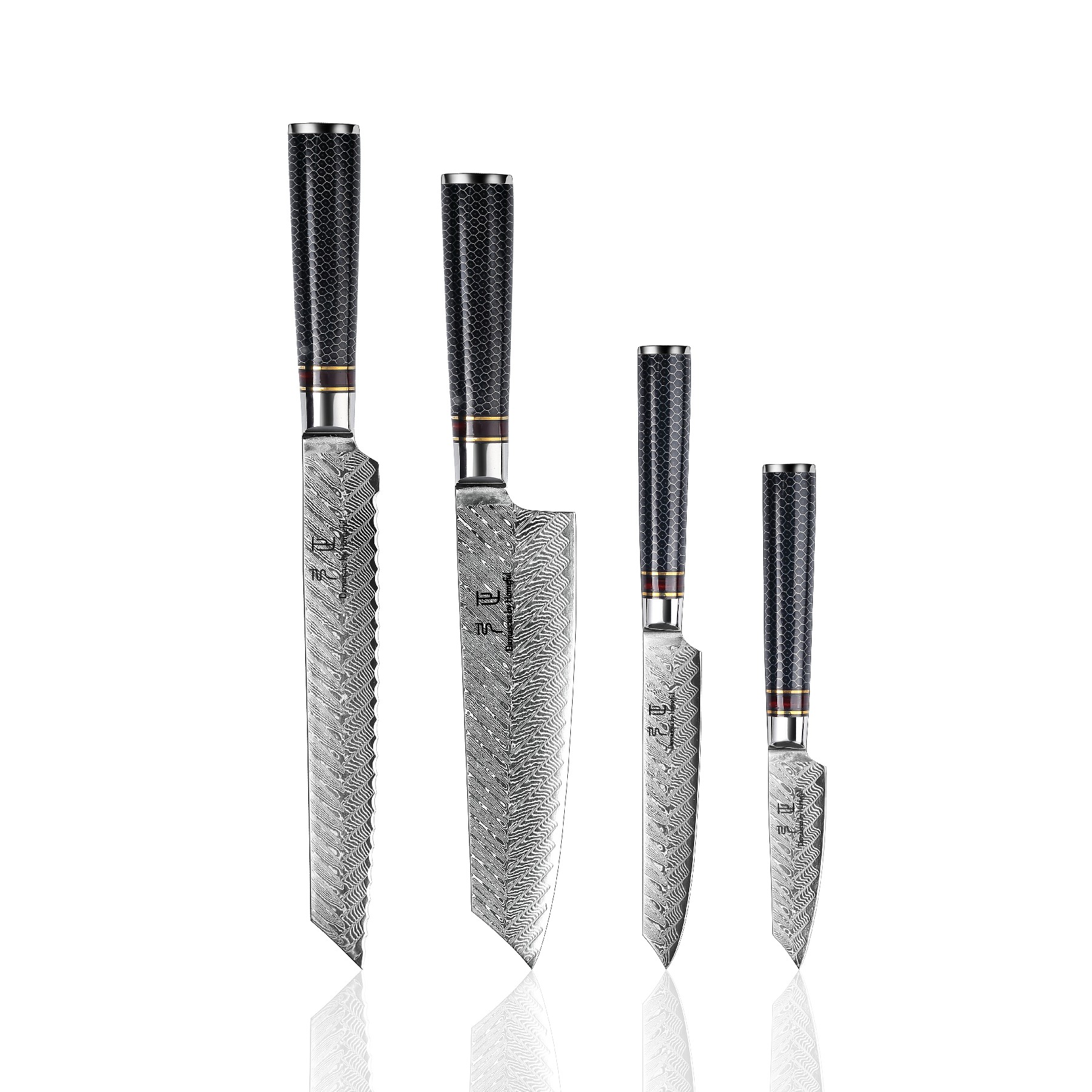
Modern Damascus knives are crafted by folding and forging multiple layers of steel—often combining a hard, high-carbon core with softer, more flexible steel exteriors. This process not only endows the blade with durability and sharpness but also produces the distinctive, flowing patterns that make each knife a unique work of art.
### Key Characteristics
- **Appearance:** Unique, swirling motifs across the blade
- **Sharpness:** Razor-sharp edge suitable for precision tasks
- **Durability:** Layers protect against chipping and maintain strength
---
## Pros of Using Damascus Knives for Cooking
### Exceptional Sharpness and Cutting Performance
- **Precise Food Prep:** Whether you’re slicing sashimi or dicing onions, a sharp Damascus knife lets you make clean, accurate cuts with minimal effort.
- **Effortless Slicing and Chopping:** The quality of steel and precise forging result in blades that glide through meats, vegetables, and herbs, reducing drag and bruising.
### Durability and Resistance to Wear
- **Robust Blade Construction:** Multiple steel layers offer a balance between hardness (for edge holding) and flexibility (to prevent breakage).
- **Edge Retention Over Time:** High-carbon content and skilled craftsmanship mean Damascus knives, when treated properly, can stay sharper for longer compared to ordinary kitchen knives.
### Aesthetic Appeal
- **Unique Patterns and Craftsmanship:** No two Damascus knives are completely alike, making them both a collectible and a functional asset.
- **Enhancing Kitchen Décor and Experience:** Displaying a Damascus knife not only elevates your cooking but adds a touch of artistry to your kitchen.
### Versatility
- **Suitability for Various Cooking Tasks:** Damascus knives are available in different forms—chef’s knives, paring knives, santokus—making them suitable for everything from mincing garlic to slicing a roast.
- **Range of Available Knife Types:** Home cooks and professionals can choose from diverse blade styles tailored to their specific needs.
---
## Cons of Using Damascus Knives for Cooking
### Price and Affordability
- **Higher Cost Compared to Standard Knives:** Genuine Damascus knives often come with a hefty price tag, sometimes several times the price of quality stainless steel knives.
- **Value for Investment Discussion:** While they offer performance and aesthetics, their premium nature means they may not be ideal for those looking to equip their kitchen on a budget.
### Maintenance and Care Requirements
- **Cleaning and Storage Needs:** Damascus knives require gentle hand-washing and thorough drying right after use to prevent rust and preserve the layered steel.
- **Risk of Rust or Corrosion:** High-carbon content, while great for edge retention, makes these blades vulnerable to rust without proper care.
### Misleading Market Claims
- **Authentic vs. Imitation Damascus Knives:** The popularity of Damascus styling has led to a flood of imitations, with some knives simply etched or printed to mimic the wavy designs without the benefits of real layered steel.
- **Tips for Identifying Genuine Products:** Authentic Damascus knives will usually boast a distinct pattern that runs all the way through the blade and will clearly state their forging process and steel composition.
### Performance Variability
- **Not All Damascus Knives Are Equal:** The quality can vary widely depending on the maker, materials, and craftsmanship.
- **Quality Differences Based on Maker and Materials:** Reputable brands and skilled smiths command higher prices but deliver superior performance and longevity compared to mass-produced versions.
---
## Tips for Choosing and Caring for a Damascus Knife
### How to Select a High‑Quality Damascus Knife
- **Research the Maker:** Choose reputable brands or bladesmiths.
- **Check Materials:** Look for specifications like VG-10 or 1095 high-carbon steel.
- **Examine the Pattern:** Authentic Damascus knives will have patterns visible through the blade, not simply etched on the surface.
- **Balance and Comfort:** Hold the knife to ensure it feels comfortable and well-balanced in your hand.
### Maintenance Recommendations
- **Proper Washing and Drying:** Always handwash with mild soap, immediately dry with a soft towel, and avoid the dishwasher.
- **Storage Practices:** Store in a wooden knife block, sheath, or on a magnetic strip to protect the blade.
- **Sharpening Advice:** Use a whetstone for best results and consider periodic professional sharpening for peak performance.
---
## Conclusion
**Summary of Pros and Cons:**
Damascus knives are undeniably beautiful and can be a joy to use. They offer outstanding sharpness, durability, and versatility, while their unique aesthetic enhances any kitchen. However, these advantages come at a premium price and require careful maintenance. Additionally, the boom in popularity has led to a market flooded with imitations and variable quality.
**Final Verdict: Are Damascus Knives Good for Cooking?**
For home cooks and professional chefs who appreciate craftsmanship and can commit to proper care, a genuine Damascus knife can be an outstanding addition to the kitchen—delivering both form and function. However, if budget or low-maintenance is your priority, high-quality stainless steel knives may be a better fit. Ultimately, the choice comes down to your passion for cooking, dedication to knife care, and personal taste.
---
**Ready to elevate your kitchen skills? Select your Damascus knife wisely, and experience the difference of legendary craftsmanship with every slice.**